
In recent years, consumers have seen an influx of new products enter the market ranging from new technology to food, only to watch them disappear into oblivion. While some of these may have initially shown promise, some just didn’t quite cut it with the buying public. Even products launched by massive corporations can sometimes turn out to be big failures either because they fail to live up to expectations or because they are poorly marketed and rapidly fall off the radar. Here is Banc De Binary’s top 5 list of recent product failures:
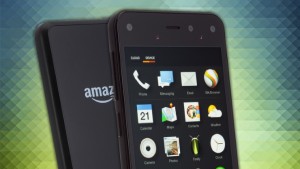 Amazon Fire Phone. Remember the Fire phone? Only one month after launching its Fire Phone device, Amazon slashed its price from $199 to just 99 cents! Amazon’s foray into the smartphone market turned out to be a massive disaster as it failed to offer superior technology that would convince Apple and Android users to switch operating systems. The Fire phone’s features were uninspiring and with its limited choice of apps, users were left underwhelmed. By October the same year, Amazon was stuck with $83 million worth of unsold Fire phones and a flame rapidly burning out.
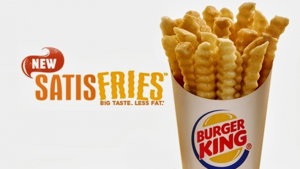 Burger King’s Satisfries. Satisfries clearly didn’t do enough to satisfy their customers’ hunger as last August, Burger King decided to take them off the menus in most of its restaurants. Satisfries debuted in September 2013 as a “healthier” alternative to regular fries, but they never caught on. Satisfries also contained 40 more calories than compared with McDonald’s fries which didn’t help matters. Their alleged health benefits left Burger Kings customers’ with an empty feeling and highly dubious about the company’s claims. Not surprisingly, the product nosedived.
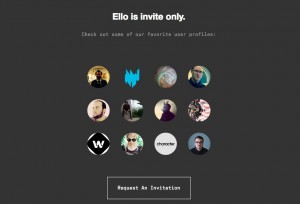 Ello. Ello is a startup that dared to challenge Facebook, actually dubbing itself the anti-Facebook. It was supposed to be a cooler and more socially conscious online community with features designed to appeal to people who were fed up with Facebook. It is still around but common belief is that failure beckons despite a $5.5 million in venture capitalist funding as it competes in a community dominated by Facebook. Hearsay has it that even those who have briefly strayed from Facebook end up returning because that’s where everybody is!
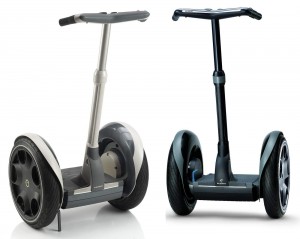 The Segway. The Segway was a technologically advanced, two-wheeled, battery-powered vehicle which promised an innovating change to transportation, but it cost around $3,000, making it very expensive for what it was. This wasn’t helped by the fact that some cities started to ban their use on pavements. Although institutional sales helped somewhat, consumer sales were weak for a product that was declared the ‘next big thing’. To make matters worse, in 2010 James Heselden, Segway’s owner was killed when his Segway plunged off a cliff.
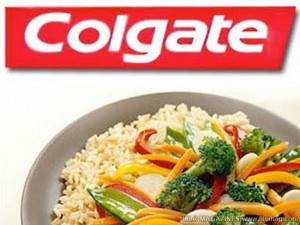 Colgate Kitchen Entrees. Brand extensions can be highly successful but they can also fail miserably. Remember Colgate Kitchen Entrees? Neither do we! Not so long ago, Colgate, the toothpaste brand came up with what they believed was a ‘brainwave’ and launched a range of frozen meals. The idea was that consumers can eat a Colgate meal, then brush their teeth with Colgate toothpaste. Sadly, the toothpaste-inspired meals failed to arouse consumers’ appetite for a chicken chow-mein. The product bombed and was pulled off the shelves soon after.