
Netflix is currently valued at over $12 billion, and has a network of over 50 million subscribers around the world. Founded in 1997, Netflix began as a mail-order DVD business. Reed Hastings, founder and CEO of Netflix, says that by the time Netflix adapted its business model to subscription-based online-streaming, the company already had a vast consumer base from its DVD business. Today, the company is even producing its own shows, just like a cable television channel would.
So, who is Reed Hastings, and how did he come to dominate the online movie market?
Reed Hastings: Before Netflix
Coming out of college, Reed Hastings joined the peace corps in Swaziland, and became a high-school math teacher. After returning to America, he earned a Masters in Computer Science at Stanford University.
In October 1991, Hastings founded Pure Software. For four consecutive years, Pure Software doubled its revenue on an annual basis. After selling the company for $750 million to Rational Software in 1997, Hastings had enough capital to invest in his Netflix mail-order DVD venture.
Netflix: Gambling on DVD’s
Back in 1997, VHS was the dominant format of video. At that time, the movie rental industry was worth about $8 billion per year, with much of the revenue coming from late fees. For Hastings to choose DVD’s as his main product, he was betting on the chance that DVD’s would, one day, overtake the VHS format.
In hindsight, Hastings made a smart bet on that one, but back in those days, less than 1% of households owned a DVD player, with the average DVD player costing about $600.
To make his service more seductive to new customers, Hastings offered a monthly $20 subscription for an unlimited amount of DVD rentals, and most importantly, no late fees. It was only in early 2004, when Blockbuster was really starting to feel the Netflix competition, that Blockbuster agreed to drop late fees, as well, as seen in this 2004 commercial below.
Surviving The Storm
But, don’t think that Hastings’ rise to the top was all that smooth. In October 2001, Netflix was losing so much money, that Hastings was forced to fire a third of the staff. It was only at the very beginning of 2002 that DVD players became more affordable to the masses. Hastings collaborated with DVD producers to place a Netflix brochure (for a free trial) in every DVD box sold. And, just like that, the skyrocketing began.
Between 2002 and 2005, Netflix was competing the with the top dogs, the Blockbuster and Walmart DVD mail-order businesses. All 3 companies slashed their subscription fees, time and again, seeking to attract more business. It was only in mid-2005 that Wal-Mart gave in to Hastings’ request for a partnership. In return for promoting Wal-Mart products, Neftlix would receive Wal-Mart’s movie subscribers database.
Introducing Online Streaming
It was only in 2007, that Netflix introduced online streaming. Financial analysts had assumed that Hastings was finally heading for disaster. In 2007, no one expected that online streaming would one day be what it is today. People had been watching films and TV shows on their television sets for over 60 years, and there was little reason to think that Personal Computers were going to replace that trend.
But, they did.
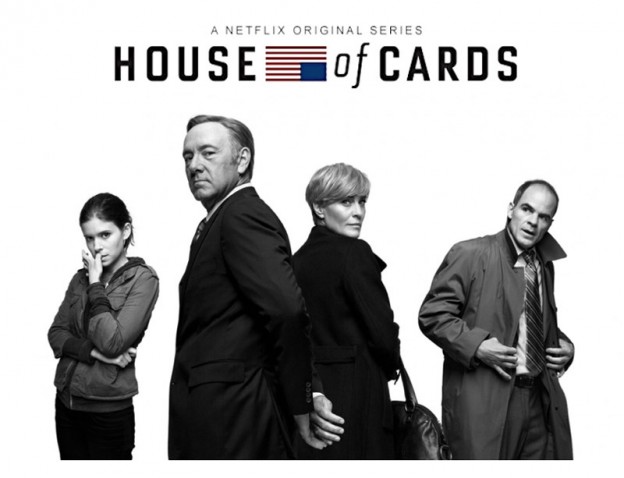
In 2008, Netflix struck a critical deal with Starz Entertainment, acquiring the license to stream over 2,500 quality films and shows. In 2012, another milestone was reached. Netflix agreed to fund House of Cards, thereby entering the business of creating unique content. In 2013, the series premiered, exclusively available on Netflix.
And that’s the story of how Hastings rose to the top.
Happy Streaming!