
Italy’s parliament has given final approval to measures to tackle the country’s record-long recession, including tax breaks for firms that hire young people and a delay to a planned sales tax increase. The package pushes back a 1 percentage point rise in the main rate of value-added tax, currently 21 percent, to October from July.
Italy’s economy is the third-biggest in the eurozone, yet it has contracted for eight consecutive quarters, its longest recession since World War Two. Youth joblessness in the nation has risen to almost 40 percent, more than triple the overall rate of unemployment.
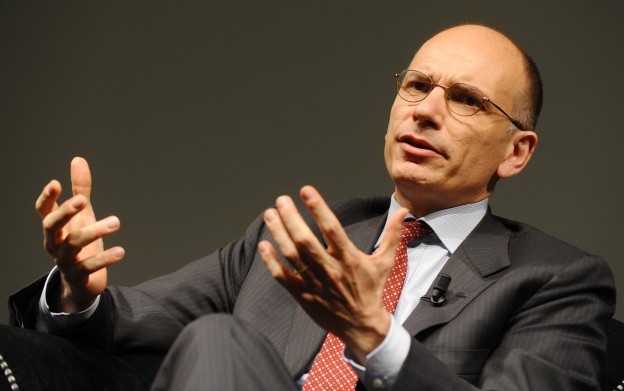
Prime Minister Enrico Letta has repeatedly said that getting young people working is the top priority of his right-left coalition. Letta’s fragile coalition has been plagued by disagreements over how best to allocate the country’s limited resources to restart growth.
While Letta’s own Democratic Party (PD) had sought tax incentives aimed at creating jobs, Silvio Berlusconi’s centre-right People of Freedom (PDL) party had been pushing to cancel the sales tax increase. However, a tax fraud conviction against Berlusconi last week has heightened tensions within the government, with the head of the PD Guglielmo Epifani calling for the scandal-plagued media mogul to resign.
The planned VAT increase was put in place by Letta’s predecessor Mario Monti at the end of 2011 as a way to underpin investor confidence in the country’s public accounts during the euro zone debt crisis. About 800 million euros will be set aside to provide incentives to firms that hire youths who have been unemployed or economically inactive for at least six months.